

Isuzu DPF Reset Guide For Commercial Trucks

Isuzu DPF reset procedures are an important part of keeping your Isuzu NPR or any other Isuzu N-Series truck operating at its best. At Nimnicht Isuzu Trucks, we understand how vital dependable performance is for your business, which is why we've created this guide to walk you through the manual reset process. Knowing how the system works can help reduce downtime and keep you on the road.
What Is an Isuzu DPF System?
An Isuzu Diesel Particulate Filter (DPF) system is an emissions component that's designed to capture carbon deposits and other particulate matter produced by the engine before it exits through the exhaust. Since the filter has a limited storage capacity, it must periodically clean itself through a process known as regeneration, which uses high exhaust temperatures to burn trapped soot into a small amount of harmless ash.
At highway speeds, exhaust temperatures typically become hot enough for this cleaning process to happen automatically. This passive regeneration is indicated by a green light, and often happens without the driver even noticing.
However, trucks that spend most of their time idling, making frequent stops, or traveling short distances may not generate enough exhaust heat for the cycle to occur naturally. When this happens, soot continues to accumulate inside the filter, requiring a manual Isuzu Diesel Particulate Filter reset, which is indicated by a yellow/amber or red light.
Signs Your Isuzu Truck May Need a DPF Reset
Your Isuzu truck will often provide warning signs before the DPF system becomes severely restricted. Recognizing these symptoms early can help you complete an Isuzu N-Series DPF reset before excessive buildup affects performance or leads to repairs. Common signs include:
- Isuzu DPF warning light or the check engine light illuminates on the dashboard
- Reduced engine power or entering a derate or limp mode
- Poor acceleration or sluggish throttle response
- Increased fuel consumption
- Higher-than-normal exhaust temperatures
- Unusual exhaust odors or sounds
Keep in mind that when the DPF warning light first turns yellow or amber, there is a limited amount of driving time remaining before it changes to red. A red DPF warning light indicates that you should perform a manual regeneration immediately.
Continuing to drive for an extended period after the red light appears can cause the truck to enter limp home mode. Schedule a diagnosis immediately by an authorized Isuzu service center if this occurs.
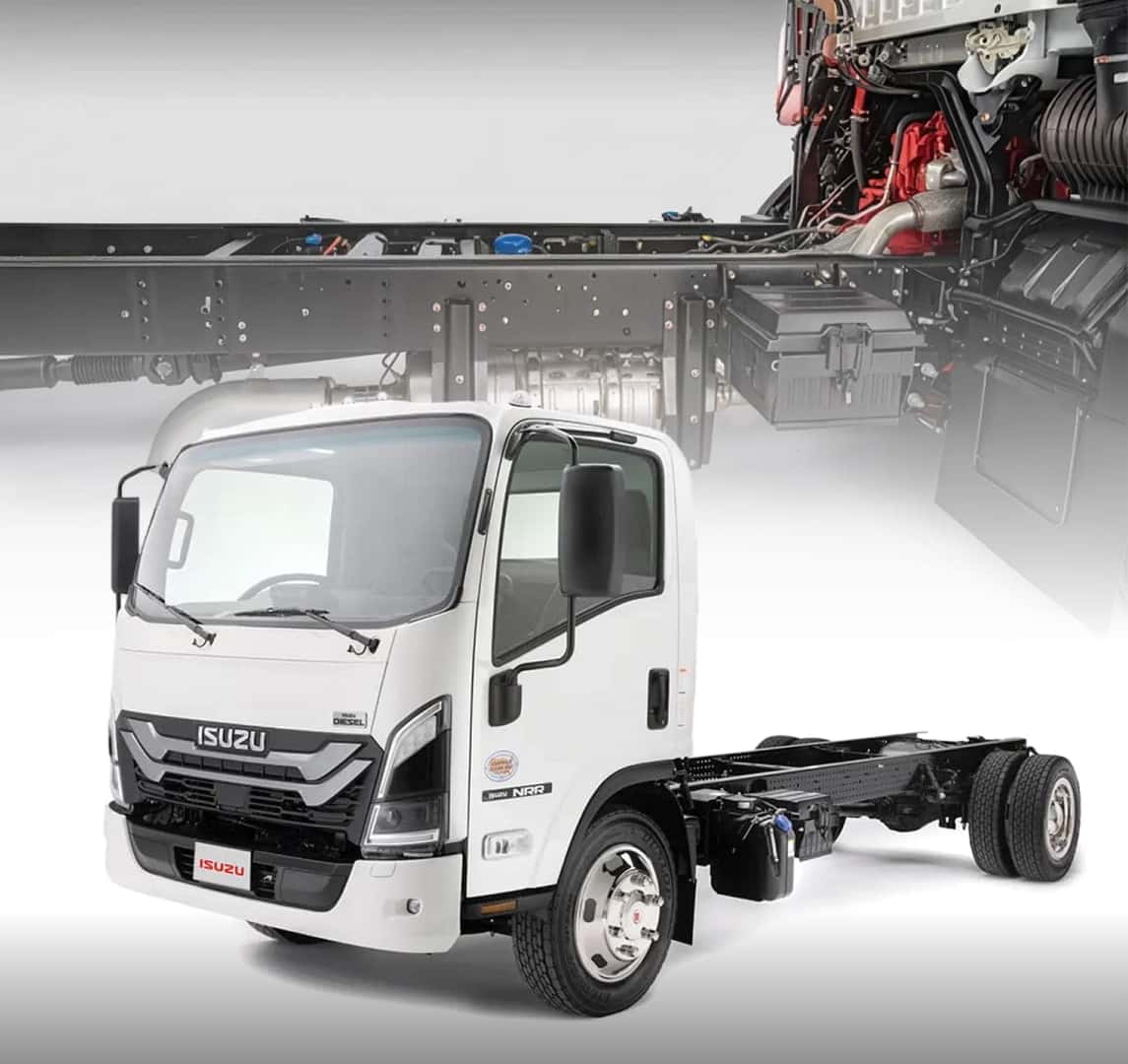
How to Perform an Isuzu DPF Reset
Whether you're performing an Isuzu NPR DPF reset or servicing another Isuzu N-Series truck, the manual regeneration process is straightforward and requires no special tools. Initiate a parked Isuzu DPF reset by following these steps:
- Park the truck on a level surface
- Engage the emergency parking brake
- Allow the engine to reach normal operating temperature
- Press and hold the DPF button, which is typically located on the lower dashboard, for about three to five seconds
- Once this operation starts, the engine RPM will automatically increase, and the exhaust brake will engage
The Isuzu DPF regeneration process should take about 15 to 20 minutes to complete. Avoid moving the vehicle or shutting off the engine, touching the brakes or accelerator, or putting the truck in gear until the cycle has finished.
Before getting started, make sure your truck is parked in a safe, well-ventilated area away from people, cars, and combustible materials. It's also important to clear any grass, leaves, or other debris near the exhaust that could ignite.
How to Prevent Future DPF Problems
To prevent future DPF issues on your Isuzu NPR, Isuzu NQR, or other N-Series truck, follow these steps:
- Allow the engine to fully warm up before heavy use or extended idling
- Avoid unnecessary idling whenever possible
- Take longer drives at highway speeds periodically to let the natural DPF regeneration process to happen
- Follow the recommended Isuzu truck maintenance schedule for oil changes, filters, and powertrain components
- Address warning lights or changes in performance as soon as they appear
- Have the DPF system inspected if regeneration action becomes frequent or the warning light continues to return
Frequently Asked Questions
What does the DPF warning light mean on an Isuzu truck?
The DPF warning light on an Isuzu truck indicates that exhaust particles have built up inside the exhaust filter and regeneration is needed to burn off the accumulated particles and restore normal operation.
Can I perform an Isuzu DPF reset myself?
Yes, you can perform an Isuzu DPF reset yourself. In many Isuzu trucks, a parked regeneration can be initiated using the manual DPF switch on the dashboard, provided the necessary conditions are met and the vehicle's owner's manual instructions are followed.
What causes an Isuzu DPF system to become clogged?
An Isuzu DPF system typically becomes clogged when soot accumulates faster than the filter can regenerate. Common causes include interrupted regeneration cycles, excessive idling, frequent short trips, and mechanical issues.
.Search By Keyword
Search By Filters
Choose How To Share:
904-712-4982
Call Now11491 Philips Hwy • Jacksonville, FL 32256
Get DirectionsToday's Hours:
Open Today! Sales: 8am-5pm
Open Today! Service: 7:30am-5pm