

Check Your Isuzu Truck Brakes: Step By Step

It may have been easy to add an Isuzu NPR or Isuzu NQR to your fleet, but now you're wondering how to check Isuzu truck brakes. If you prefer to do your own maintenance, our technicians at Nimnicht Isuzu Trucks created this page as your guide. We'll cover the basics of Isuzu truck brake maintenance, including a step-by-step outline of how to properly inspect N- and F-Series brakes.
Key Components of Isuzu Commercial Truck Brakes
We're more than happy to examine your truck's brakes at our service center, but if you're preparing to DIY this job, you don't just need to know how to check Isuzu truck brakes; you also need to know how to identify each part. Here's an outline to get you started.
N-Series
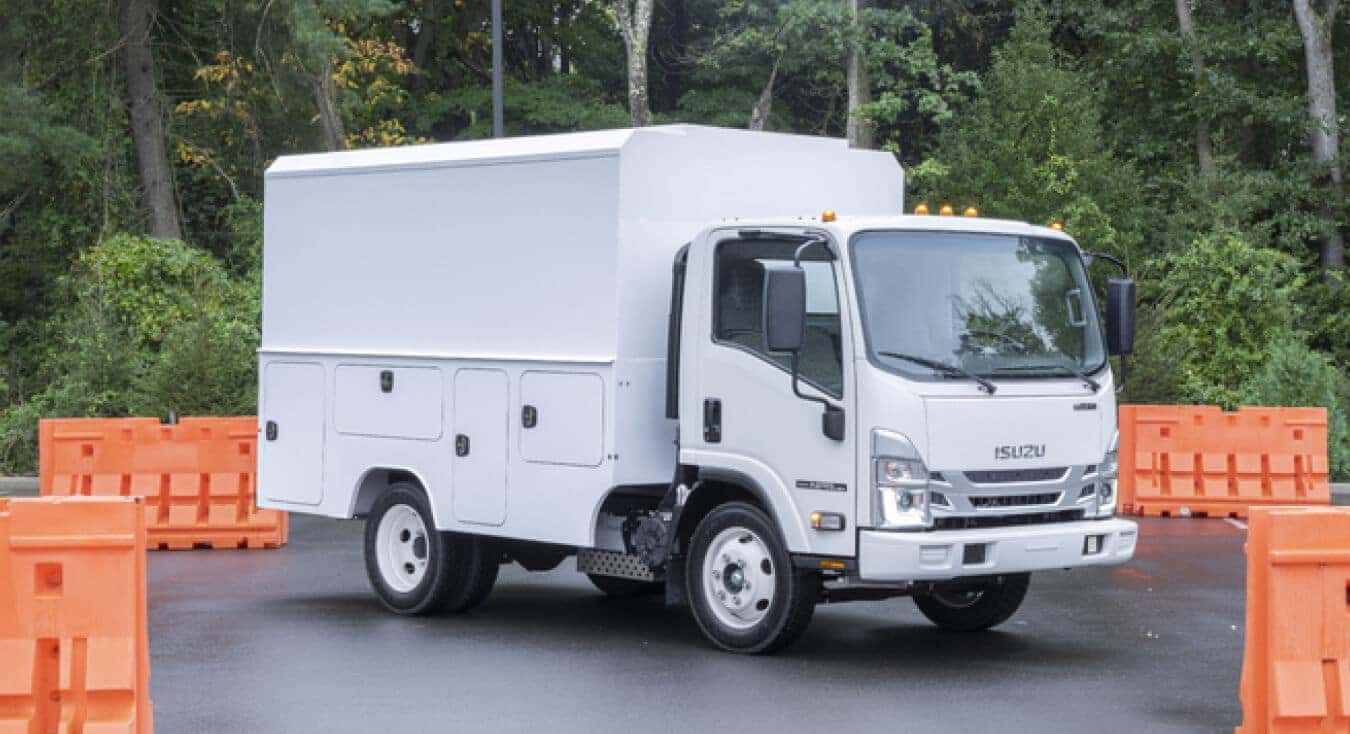
Isuzu N-Series gas and diesel trucks rely on four-wheel hydraulic disc brakes, a vacuum power assist system, and a four-channel Anti-Lock Braking System for enhanced control and stability. Hydraulic brakes help prevent wheel lockup and can dissipate heat more effectively than traditional drum setups. Braking system components include:
- Pads
- Rotors
- Calipers
- Fluid lines
F-Series
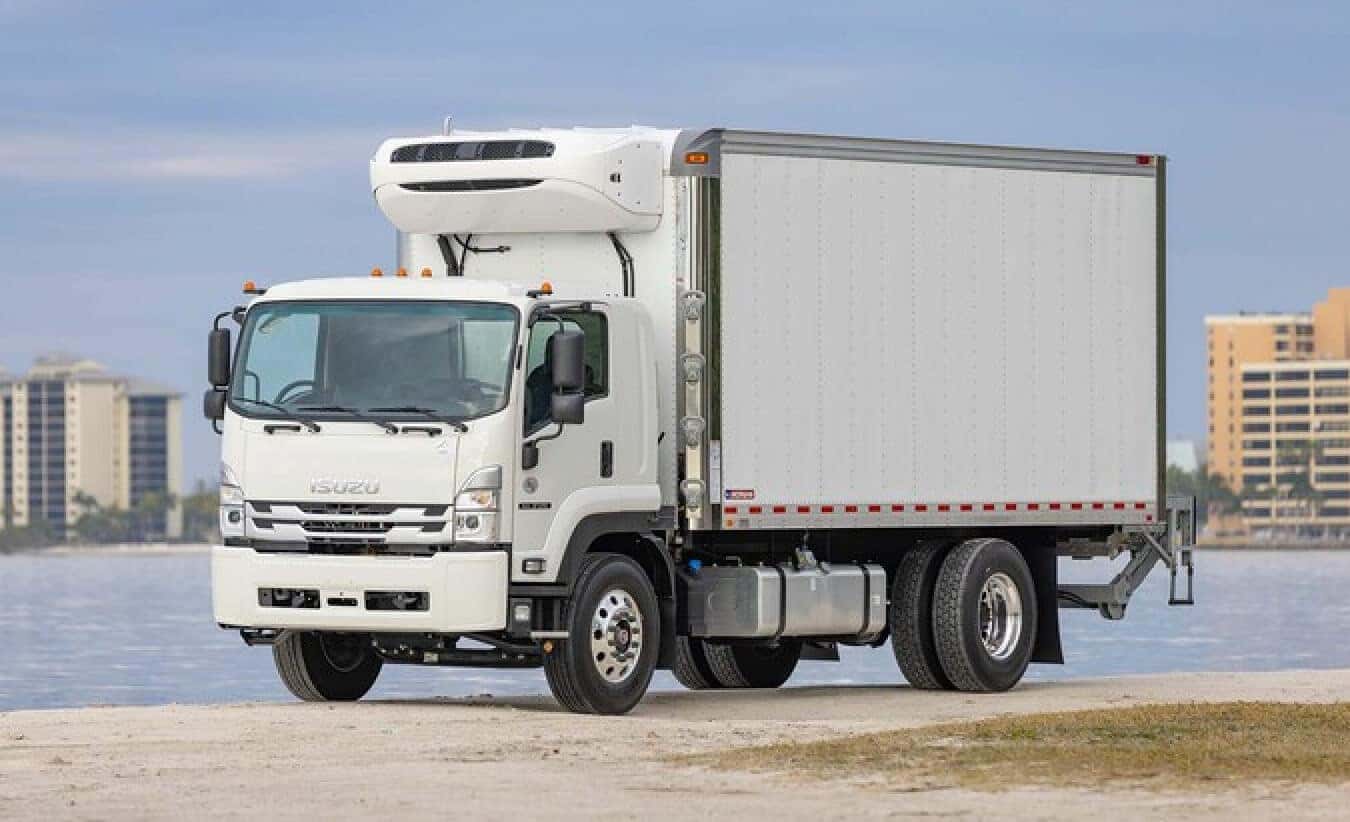
Isuzu F-Series trucks haul the largest loads and therefore need the most robust stopping power, so they are primarily fitted with air-over-hydraulic systems or full air brakes. Air braking systems offer superior safety and reliability for heavy-duty loads thanks to their fail-safe designs and incredible stopping power. Common parts found in F-Series brakes include:
- Compressor
- Reservoir
- Foot valve
- Brake chambers
- Slack adjusters
- Brake linings and rotors
How To Inspect Brakes on an Isuzu Commercial Truck
Because N-Series and F-Series models are equipped with different braking systems, Isuzu truck brake inspection checklists will also differ. For example, an Isuzu NPR brake inspection won't be the same as an Isuzu FVR checkup. As is true for most Isuzu maintenance, make sure your truck's engine is off and that the vehicle is parked on a flat surface with parking brakes and wheel chocks in place. Then, follow these steps to complete the job.
Isuzu N-Series Brake Inspection
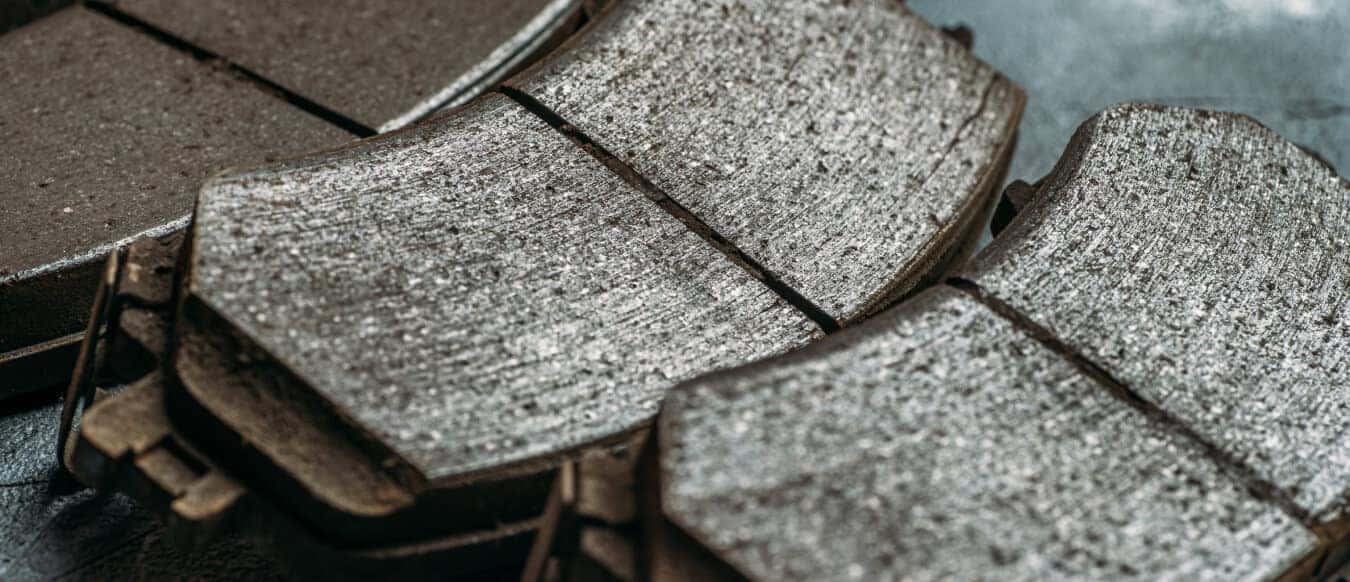
- Look over brake pads for thickness and wear. If the pads are less than 3.2 millimeters thick or unevenly worn, they must be replaced.
- Check rotors for cracks, grooves, or discoloration that may indicate wear or damage.
- Examine brake lines to identify any leaks, cracks, or damage.
- Use a brake inspection camera called a borescope to inspect calipers.
Isuzu F-Series Brake Inspection
- Check air compressor and tanks for leaks or damage.
- Visually assess air lines for cracks, wear, or loose parts.
- Inspect brake chambers for leaks, dents, or rust.
- Examine brake rotors to identify deep grooves or cracks.
- Make sure slack adjusters are not damaged.
- Look for chafing or rubbing on air lines.
- Perform in-cab tests to verify pressure retention and function.
In most Isuzu air-brake trucks, testing must show that air pressure can climb from 85 to 100 PSI in under 45 seconds, static brake leakage does not exceed FMCSA limits, low air warning triggers before 60 PSI, and spring brakes automatically engage below 40 PSI to remain FMCSA compliant.
Schedule All Your Isuzu Maintenance at Nimnicht Isuzu Trucks
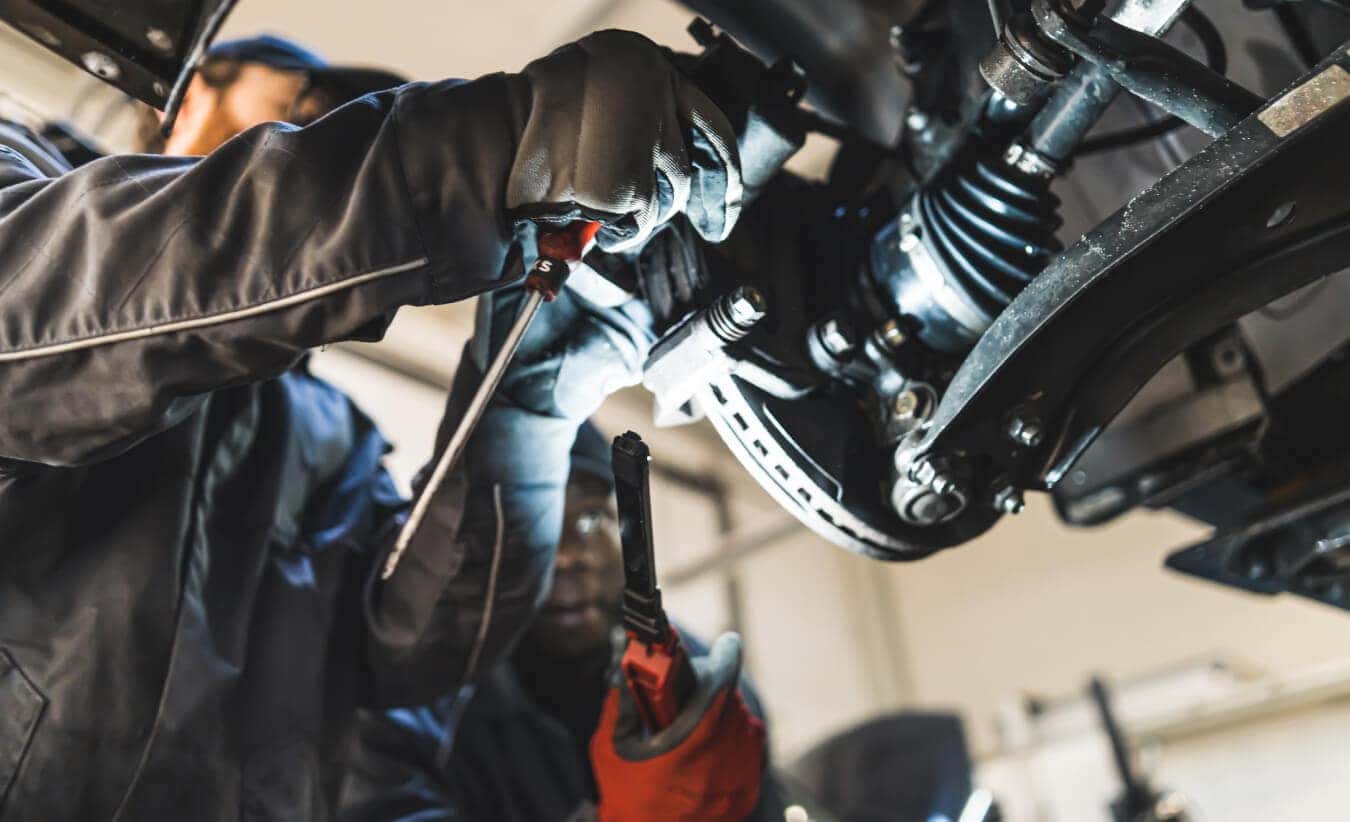
If these steps on how to inspect brakes on an Isuzu commercial truck feel overwhelming to tackle on your own, our dealership technicians are always here to help. Book your fleet's brake inspections at our service center for high-quality care. You can also explore other trucking tips in our Isuzu hot weather maintenance guide.
Frequently Asked Questions
How often should I inspect brakes on an Isuzu commercial truck?
Gas-powered Isuzu N-Series trucks with hydraulic braking systems should be inspected for brake function every 7,500 miles, or before any long-haul trip. Diesel N-Series truck brakes can be checked every 10,000 miles. Isuzu F-Series models with air brakes should be thoroughly checked every 3,000 to 15,000 miles, or once per month.
What are common signs of brake wear on an Isuzu NPR?
The most common signs that your Isuzu NPR has worn-out brakes that need attention are squealing or screeching sounds, strange vibrations when the brakes are applied, or the vehicle pulling to one side. You will likely also notice a dashboard warning light indicating a need for brake service. If you notice fluid beneath your Isuzu NPR truck, please check its brake lines for leaks.
Can I inspect Isuzu truck brakes without removing the wheels?
Yes, you can perform a basic, preliminary inspection of Isuzu truck brakes without removing the wheels, particularly if your N-Series or F-Series wheels have visual gaps between their spokes. However, we recommend removing your commercial truck’s wheels for a more thorough, accurate inspection so you can measure precise brake pad thickness and check for damaged rotors, lines, compressors, or calipers.
Search By Keyword
Search By Filters
Choose How To Share:
904-712-4982
Call Now11491 Philips Hwy • Jacksonville, FL 32256
Get DirectionsToday's Hours:
Open Today! Sales: 8am-5pm
Open Today! Service: 7:30am-5pm